Our Blog

When Is a “Cavity” Not a Cavity?

November 11th, 2020

Is this a trick question? After all, you and your family probably already know quite a lot about cavities:

  • It all begins when bacteria-filled plaque sticks to teeth and starts to attack enamel. How?
  • Because the bacteria in plaque use the sugars and other foods we eat to produce acids.
  • These acids gradually weaken teeth by dissolving minerals that help make up our enamel (a process called demineralization).
  • Over time, a hole, or cavity, develops in the tooth surface.
  • Left untreated, bacterial decay can spread to the inside of the tooth, creating a more serious cavity.

Dr. Robin E. Lents might discover an unexpected cavity at a regularly scheduled dental exam at our Florence office, but there are also some symptoms that should have you calling for an appointment. A cavity can cause sensitivity when eating something hot or cold, or it can be painful, or you might even notice visible discoloration or damage to the tooth surface.

So, if your child has any of these symptoms, it’s a cavity, right? It might be—but it might not. Sometimes, because the symptoms are similar, what we suspect is a cavity is really enamel erosion.

The bacteria-created acids weaken enamel. But it’s not just bacteria that subject our teeth to acids. Acidic foods are one of the leading causes of tooth erosion.

And while we expect damage from a lifetime of acidic foods and beverages to catch up with us as we age, the fact is that erosion is becoming a problem even for young children. How is this possible? Let’s look at some food chemistry.

Our normal saliva pH level is around a 7, which is neutral. Any number lower is acidic; any number higher is alkaline. Acidic foods have a low pH (the pH of lemon juice, for example, measures between 2 and 3), and can reduce our normal, neutral pH level. When saliva pH levels drop to 5.5 or lower, tooth enamel starts to demineralize, just as it does when exposed to the acids from oral bacteria.

Regularly snacking on citrus and other acidic fruits, fruit juices, flavored drinks, sour candies, and other acidic foods can cause enamel erosion. Especially erosive are sports drinks, energy drinks, and colas, because they contain some combination of citric acid, phosphoric acid and/or carbonation.

So, when might you suspect enamel erosion? Your child might be sensitive to hot or cold foods, or feel pain, or even have noticeable enamel loss or pitting. Even though these symptoms may not have been caused by plaque and bacteria, acidic erosion from our diets leaves weakened enamel just as vulnerable to cavities and decay.

How to avoid erosion?

  • Serve acidic foods sparingly, or as part of a meal. This helps our saliva pH stay in the neutral zone.
  • Balance acidic foods with low-acid choices to neutralize acids and restore a normal pH balance. For example, mix those acidic berries with a banana.
  • Use a straw! These are not only fun, but this simple solution keeps erosive drinks from bathing young teeth in acids.
  • Encourage your child to drink water instead of an acidic beverage, or drink it afterward to rinse acids away. The pH of pure water? A perfect, neutral 7. And by using tap water instead of bottled water, you’ll be providing fluoride, which helps strengthen enamel.
  • What about brushing right after eating or drinking something acidic? Ask Dr. Robin E. Lents if your child should rush for the brush. We may recommend waiting 30 minutes or so after an acidic treat to give the teeth time to remineralize. Otherwise, brushing might cause more wear and tear on enamel.
  • Finally, while foods are often the source of acid erosion, medical conditions can cause erosion as well. Talk to us about ways to minimize erosion while addressing these medical needs.

Be proactive. Ask your Dr. Robin E. Lents about healthy drinks and snacks for healthy teeth. Make sure to keep on top of brushing and flossing, and stick with fluoride toothpastes. And visit our Florence office regularly for exams and cleanings.

There’s really no trick to it—preventing enamel erosion helps keep your child’s teeth structurally strong and cavity-free for a lifetime of beautiful and healthy adult smiles.

When do children usually lose their baby teeth?

November 4th, 2020

Many parents have concerns about their children’s teeth not falling out on time. Dr. Robin E. Lents and our team are here to answer any questions parents may have about when children lose their teeth.

Children have 20 primary teeth that come in around age three. By about age six, these teeth will loosen and begin to fall out on their own to make room for the permanent ones. It is common for girls to lose their baby teeth earlier than boys. Most children lose their final baby tooth by age 13.

Baby teeth normally fall out in the order in which they came in. The lower center incisors are usually the first to fall, around age six or seven, followed by the upper central incisors.

If a child loses a tooth to decay or an accident, the permanent tooth may come in too early and take a crooked position due to teeth crowding. If your child loses a tooth to decay or accident, call Dr. Robin E. Lents to make an appointment.

Some kids can’t wait for their baby teeth to fall out, while others dread the thought of losing a tooth. When your child begins to lose teeth, you should emphasize the importance of proper dental care on a daily basis to promote a healthy mouth.

Remember to:

  • Remind your child to brush his or her teeth at least twice a day and offer assistance if needed
  • Help your child floss at bedtime
  • Limit eating and drinking between meals and at bedtime, especially sugary treats and drinks
  • Schedule regular dental visits for your child every six months.
  • Ask about the use of fluoride treatments and dental sealants to help prevent tooth decay.

Call Shoals Pediatric Dentistry, PC to learn more about caring for baby teeth or to schedule an appointment at our Florence office!

Dangers of Thumb Sucking

October 28th, 2020

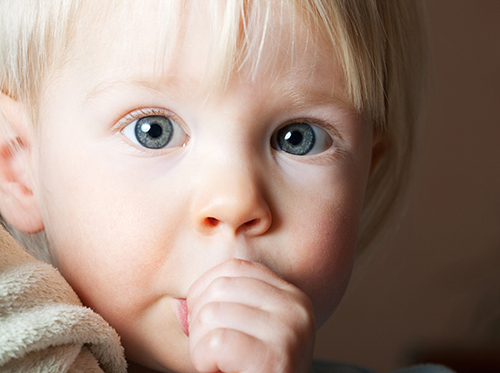
It’s common for children to suck their thumb at a young age. Dr. Robin E. Lents and our team want you to understand the potential issues that can surface down the road if the habit isn’t broken early on.

It’s normal for infants to explore the function of their mouths by putting objects like their thumbs inside it. You shouldn’t be concerned if your baby regularly sucks his or her thumb. For infants who are still growing their baby teeth, thumb sucking can help with stimulating growth and development of their baby teeth.

Thumb sucking is not a problem among infants because they generally do it to sooth and comfort themselves. Problems can occur of kids continue the habit when their baby teeth begin to fall out, around six years of age.

If you have a young child whose adult teeth are starting to come in, that’s when thumb sucking can start to be a problem. Most children stop thumb sucking between the ages of two and three years. According to the American Dental Association, if thumb sucking continues as adult teeth come in, this can lead to problems involving improper alignment of teeth and growth of the jaw, gums, and roof of the mouth.

It may also affect your child’s speech after that, by causing a lisp or other speech impediments. As a parent, you may need to begin to regulate and intervene if thumb sucking starts to become a bigger problem for your child.

How to Stop Thumb Sucking

  • Provide comfort to your child if thumb sucking happens when he or she is anxious.
  • Limit thumb sucking initially to bedtime or naptime.
  • Employ positive reinforcement for good behavior.
  • Talk with your child about the potential problems that come from this habit.
  • Distract your son or daughter with activities such as fun games any time you notice it starting.
  • Involve your little one in choosing methods for stopping, like positive rewards.
  • Have Dr. Robin E. Lents talk to your child to reinforce concerns about thumb sucking.

Don’t forget that thumb sucking is a common habit that many children indulge in, and it should not be a concern right away. If you’re worried about your child’s thumb-sucking habit, start to address the issue as soon as possible.

The above techniques can help to reduce the amount of time your child sucks a thumb. Dr. Robin E. Lents and our team are here to help you if you have any questions or concerns about this habit.

Feel free to call our Florence office and we will be happy to help you and your child.

Labor Day: Our favorite holiday to rest!

September 3rd, 2020

Labor Day, celebrated on the first Monday each September here in the United States, is a holiday devoted to the American working community. The purpose of the holiday is honoring the country's workers and their contributions to the strength of our country as a whole.

How Labor Day Started

There is actually some debate as to the origins of Labor Day. It is uncertain whether Peter McGuire, a cofounder for the American Federation of Labor, or Matthew Maguire, who was the secretary of Central Labor Union of New York, had the great idea. However, the Central Labor Union's plans were what launched the first Labor Day in America.

The First Labor Day

The very first Labor Day was celebrated on September 5th, 1882. The Central Labor Union then held annual celebrations on September 5th for what they called a working man's holiday. By the year 1885, the Labor Day celebration had spread to many different industrial areas, and after that it began spreading to all industries in the United States.

Labor Day Today

Labor Day today is a huge United States holiday during which we honor the country's workers with a day of rest and relaxation or a day of picnics and parades. This holiday is truly one to honor the many people who work hard to contribute to the economic well-being of our great country!

Our team at Shoals Pediatric Dentistry, PC hopes all of our patients celebrate Labor Day, and every holiday, safely and happily. Whether you stay in the Florence area, or travel out of town, have fun, and don't forget to brush!