Our Blog

Pediatric Dental Emergency Know-How

July 30th, 2020

Parents are usually expert at taking care of their children’s injuries. You know how to disinfect a cut, soothe a bump on the head, and apply a bandage faster than you can blink.

But what happens if your child suffers a dental injury? Teeth can get broken, knocked out, or displaced from a forceful impact, and parents ought to know what to do in those situations, too. Luckily, Dr. Robin E. Lents and our team are here to be a resource for such incidents!

Chipped front teeth are a common injury for young children. First, check to see if the teeth have been broken to the nerve. You can tell this is the case if you see layers and a pinkish center.

Then, wiggle each tooth to make sure it is not loose. If the teeth still feel firmly in place, that’s a good sign. Don’t worry if they are a little loose, because they will tighten again with time.

If your child develops a high temperature or bite sensitivity, treatment is necessary and could include a root canal.

A knocked-out tooth is an injury that requires more attention than just observation. Locate the tooth as soon as you can, and touch only the crown, not the root. Rinse any debris gently with milk or water and place the tooth back in its socket as soon as possible.

According to the American Association of Endodontists, a tooth has a high chance of survival and retention for life if it is returned to the socket within five minutes, and possibly up to 60 minutes, if soaked in milk or saline solution in the meantime.

Say your child is elbowed in the mouth and a tooth gets severely displaced but does not get knocked out. Attempt to shift it back into place by applying light pressure, but be careful not to use too much force. Give your child a cold pack for the swelling and contact our office as soon as possible.

Dental emergencies can be frightening for the child as well as the parent. The best advice we can offer is to stay calm and be assured that we are always here to help! Contact us at our Florence office as soon as you can, if your child encounters a dental emergency.

Pacifiers and Your Child's Oral Health

July 23rd, 2020

Children are born with a natural sucking reflex. In fact, sonogram images from the womb often reveal an unborn baby practicing by sucking on his or her fingers or thumb. Not only does sucking aid in your baby’s ability to acquire food and nutrients, but it is also a security and possible analgesic outside of meal times.

Though it is both normal and beneficial for parents to soothe their children with pacifiers during infancy, long-term use could interfere with oral health and development. Most children will stop using a pacifier on their own. However, the American Academy of Pediatric Dentistry recommends halting pacifier use after age three. Prolonged thumb sucking or pacifier use after this time can cause the upper front teeth to begin to lean outward. It can also cause new teeth to erupt crookedly, and it can negatively affect jaw alignment.

If your child is not showing signs of self-weaning by age two, you may begin the process by limiting pacifier usage to specific times, such as nap time or when getting vaccinations. Offer an alternative security item, such as a blanket, and be sure to praise your child when he or she chooses the blanket over the pacifier.

Tips

  • Never under any circumstances should you dip your baby’s pacifier in something sweet. Though it is a tempting way of encouraging your child to take a pacifier when crying, it can also lead to early childhood tooth decay.
  • If your child has not discontinued pacifier use by age three, talk with Dr. Robin E. Lents about behavioral modifications or appliances that can help your child wean.
  • Never use negative reinforcement to discourage pacifier use. Punishment for pacifier use is not effective for changing your child’s habits.

If you have any questions or concerns about your child’s pacifier usage or which types of pacifiers are best for your child’s oral health, please give our team at Shoals Pediatric Dentistry, PC a call at our convenient Florence office!

Make Brushing Fun!

July 16th, 2020

It’s gratifying to know your child has good oral hygiene, especially starting from an early age. We know it can be difficult to get your son or daughter to brush those tiny teeth, let alone brush them well enough, every day. Dr. Robin E. Lents and our team are here to give you some tips on how to help your youngster learn excellent oral health habits.

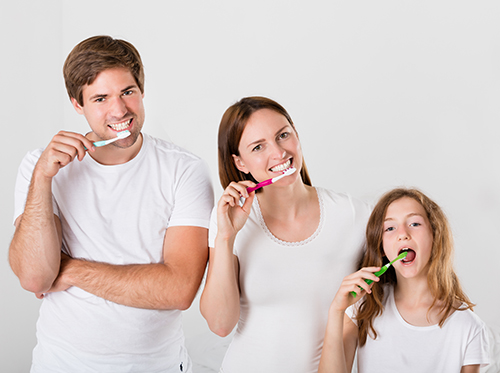
Your child should brush his or her teeth at least twice a day in order to prevent cavities and decay. An grownup may have to assist with flossing or using mouthwash. Always make sure your little one doesn’t swallow toothpaste or mouthwash in the process.

Only buy alcohol-free mouthwash, especially if you have young children in your household. Oral healthcare should be made fun from the start, to create good habits!

Helpful Tips

  • Set a good example. Brush your teeth with your children and make it fun! Pick a two-minute song to play while brushing and dance along to it.
  • Make it a race to the bathroom to see who can get the toothbrush and floss out first.
  • Use a sticker sheet. For every night your children brush well, give them a sticker. After they’ve earned certain number of stickers, they win a reward. Let them pick it!
  • Let your child check your brushwork, or try letting your youngster brush your teeth!
  • Allow children to play with a toothbrush if they want to. They can brush their favorite stuffed animal’s or doll’s teeth before bed as well.
  • Let your child pick his or her own toothbrush or toothpaste from a range of options you provide. Kids might pick one with their favorite cartoon character(s) on it, for example.
  • Get a two-minute brushing timer your child can flip over when he or she starts to brush. Your son or daughter can watch the sand fall until it’s empty, which notifies the kid it’s time to stop brushing.
  • Buy special children’s mouthwash that is colored to stain the areas of the child’s mouth where he or she needs to re-brush for effectiveness.
  • Be gentle when your little one makes a mistake like forgetting to brush, and remind your son or daughter about the importance of good oral health in a fun, loving way.

There are plenty of ways to make brushing your child’s teeth more fun and effective. When Dr. Robin E. Lents and the parents work together, we can help establish good oral health habits in children that will last a lifetime.

Take the trouble to set a great example for your children, and they will follow in your footsteps. If you’re concerned about your child’s oral health, contact our Florence office and schedule an appointment with our team.

What are dental sealants, who should get them, and how long do they last?

July 9th, 2020

Dental sealants are an excellent way to protect children’s teeth from tooth decay by coating them with a thin plastic material. Their teeth look and feel like normal, but they are protected from plaque build-up and decay early on. Dr. Robin E. Lents and our staff recommend sealants as a preventive measure for children before any decay appears on their teeth.

Who should get dental sealants?

Dental sealants are intended for young children as soon as their first teeth come in. Decay is most common in the molars, so taking your child to Shoals Pediatric Dentistry, PC for sealants right when you see the molars grow in gives your child the best chance to fight tooth decay.

A child’s first set of permanent molars grow in between ages five and seven, while the second permanent molars come in between 11 and 14 years of age. Some teens and adults who don’t have tooth decay may get sealants as well, but it is less common.

How long do dental sealants last?

Once the sealant has been placed on the teeth, it lasts up to ten years. Expect to have Dr. Robin E. Lents check the sealant at every visit to our Florence office, which should be twice a year. We will look at the sealant and determine if it needs to be replaced.

What is the process of getting sealants?

Applying sealants is a simple, pain-free procedure that is done quickly at Shoals Pediatric Dentistry, PC. There is absolutely no effect on the tooth structure from sealants.

For starters, the teeth are cleaned carefully, then dried with an absorbent material. A mild acid solution is applied to them to roughen them slightly. This is done so the sealant can bond properly to the teeth. Then the teeth are rinsed and dried, and the sealant material is painted on and dried with a special light.

Molars are susceptible to decay early on, which is why sealants are an important treatment to get for your children’s first set of teeth.