Our Blog

How to Make Brushing Fun

April 30th, 2020
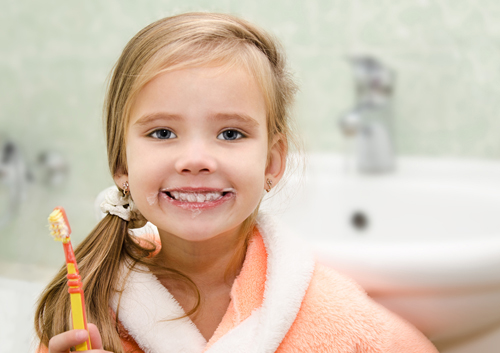
Let’s call it the cranky phase. Let’s call it the “Mom, I don’t want to” stage. When kids are little, getting them to brush can be a challenge. They bite the toothbrush and eat the toothpaste. They make faces in the bathroom mirror, brush for two seconds, and run away. When it’s time to brush, some kids even resort to kicking and screaming, which makes the bedtime chore a lot like, well, pulling teeth.

As a parent, you know the importance of good oral hygiene, so when the dreaded “brushing hour” arrives, if you want to prevent your child from turning into an angry pumpkin, you better have a few tricks up your sleeve to make brushing fun.

Game time

Kids love games, so it’s time to get creative and turn tooth brushing into game time. Whether you’re playing a hide and seek, peek-a-boo game with your child as he or she brushes, or singing the ABC’s as your child brushes for two minutes, Dr. Robin E. Lents and our team at Shoals Pediatric Dentistry, PC recommend turning the process into play. Games are based on a reward system, right? If your child does a good job, put a sticker on the calendar. Tell your son or daughter that five stickers will earn a treat at the end of the week.

Fun accessories

A toothbrush that lights up and blinks when you turn it on is more fun than a traditional toothbrush from the dentist’s office. The same is true of a toothbrush that’s shaped like your child’s favorite animal or features a cartoon character. A fun accessory like a Smurfs or Angry Birds toothbrush might make all the difference. A timer is another fun accessory. Give your child the special responsibility of setting it for two minutes before brushing.

The Great Toothpaste Experiment

Kids can be notoriously picky eaters, so it stands to reason that they would be picky about their toothpaste flavors too. Little Johnny might like strawberry, whereas Suzie prefers mango. Spend a night experimenting with different flavors (yes, it’s another game). Say something like, “It’s just like sampling different flavors of ice cream, right kids?”

Eventually, your child will develop the healthy habit of brushing on a regular basis, and think nothing of the time it takes to clean his or her teeth. Just remember to make it fun, and it can be a great experience for you both!

To learn more about making brushing fun for your little one, or to schedule an appointment with Dr. Robin E. Lents, please give us a call at our convenient Florence office!

Oral Health Concerns for Infants

April 23rd, 2020

Because babies’ teeth don’t appear until around six to eight months of age, it’s a natural misconception that they don’t need dental care. But the steps you take as the parent of an infant can help your baby maintain good oral health and develop healthy dental habits in the future.

It’s easy to take care of a baby’s teeth and gums, especially when oral hygiene for your infant becomes part of the normal daily routine. Learn more about how you can promote good dental health for your baby with these tips and considerations.

Taking Care of Baby’s Oral Hygiene

  • Dental Hygiene for Birth to Six Months. Cleaning your infant’s gums is as important as cleaning teeth will be later. Hold your baby in your arms, and with a clean, moistened washcloth wrapped around your index finger, gently massage his or her gums.
  • Dental Hygiene for Six to 12 Months. After teeth begin to appear, it’s time to switch to a soft, children’s toothbrush for teeth cleaning. New research has shown that fluoride toothpaste is safe and recommended for use once your baby’s first tooth arrives. Gently brush your baby’s teeth after each feeding, in the morning, and before bedtime, just as you did before teeth appeared.
  • Good Bedtime Habits. One of the most important things you can do to protect your infant from tooth decay is to avoid the habit of putting baby to bed with a bottle. Use other soothing bedtime activities, such as rocking and lullabies, to help your baby drift off to sleep.
  • A Note about Dental Decay. Many people are unaware that dental decay is transmissible. Avoid placing your baby’s bottle, sippy cup, or pacifier in your own mouth to test the temperature. Likewise, don’t share utensils with your baby.

Partner With Your Dentist

Your baby should receive his or her first dental health checkup by the age of six months. Even though your infant may not have teeth yet, Dr. Robin E. Lents can assess the risk your baby might face for oral diseases that affect hard or soft tissues. Dr. Robin E. Lents can also provide you with instructions for infant oral hygiene, and explain what steps to add as your baby grows and develops.

Shoals Pediatric Dentistry, PC is your partner for good oral health, and we’re here to make caring for your baby’s dental hygiene and health easier and more enjoyable for you.

Earth Day

April 16th, 2020

The idea for Earth Day was the brainchild of Gaylord Nelson, a senator from Wisconsin. He envisioned an Earth Day that would be a kind of environmental teach-in. The first Earth Day celebration took place on April 22, 1970, and a surprising 20 million people participated on that day. Ultimately, it became the largest organized celebration in US history.

Earth Day Over the Years

Over the years, the recognition of the day, and the number of people celebrating it all over the world, turned Earth Day into an international celebration. Because it is celebrated throughout the world, it is not only the largest international environmental observation, but it is also more widely celebrated than any other environmental event in the world. Today, Earth Day is celebrated in 175 countries where over 500 million people participate in celebrations.

The Earth Day Movement

The Earth Day movement is credited with developing the idea that people should “think green”. It encouraged congress to enact laws, including one that resulted in the creation of the Environmental Protection Agency. It also inspired the passage of the Endangered Species Act.

The Five R's and Their Importance

  • Reduce – Reduce by avoiding unnecessary purchases. Reduce your use of materials that wind up in landfills. Reduce the use of chemicals around your house. Reduce your use of disposable bags, plates, cups, eating utensils, and batteries.
  • Reuse – Instead of using plastic bags for your groceries or purchases, bring your own reusable bags. When you go to buy coffee at Starbucks, take a travel mug so you don't have to get your coffee in a disposable paper cup. Instead of storing food in disposable refrigerator containers, buy containers that can be washed and reused. Don't use regular batteries. Whenever possible, opt for rechargeable batteries that you can reuse.
  • Recycle – Most cities offer a recycling program to collect used bottles, cans, and newspapers. Recycling includes collecting recyclable materials that would otherwise be considered waste, sorting and processing recyclables into raw materials such as fibers and manufacturing raw materials into new products.
  • Re-buy – Make an effort to purchase things that are made through recycling. When purchasing furniture, look for items that are made from reclaimed wood. When buying paper for kids school work, computer printer paper, holiday cards, or anything else, make a point of purchasing recycled paper products. Instead of buying clothing at full retail price, shop for second hand clothing. You will save a lot of money by doing so!
  • Rethink – Rethink the way you do things so that you do them in an eco-conscious way at all times. Instead of driving to work alone, consider taking the bus or going in a carpool. Walk or ride your bike when you're only going a short distance. Plan your shopping trips and errand runs so that you can do everything on one day, and do it in a way where you can save time and gas.

Other ways to "think green" include growing your own food, composting yard waste and food scraps, or by participating in local recycling programs. Join a group like Freecycle so you can share your unneeded and unwanted possessions with people who can use them. Likewise, you'll be able to get things you need or want for free.

Earth Day teaches people that the planet belongs to everyone, so everyone is equally responsible for protecting it. Although Earth Day is an environmental celebration, our team at Shoals Pediatric Dentistry, PC wants to remind you that you don't have to wait until then to make changes that will allow you and your family to live a greener life.

Happy Earth Day from the team at Shoals Pediatric Dentistry, PC.

What's on your child's reading list?

April 9th, 2020

What better way for children to spend their time than cuddled up by the fireplace or out in the yard with a book in hand? Dr. Robin E. Lents and our team encourage you to inspire your child’s mind with a few great books. Sure it may be easy to put off reading when balancing a busy schedule, but reading is vital to kids’ brain development. Plus, reading is always fun!

This week, we thought we’d ask: What are you or your child reading? Do you have any suggestions for must-read books? Out of ideas for great reads? Ask us during your next visit, and Dr. Robin E. Lents and our team would be happy to provide a few suggestions. You may also ask a local librarian here in Florence for some ideas.

Happy reading! Be sure to share your book picks or your all-time favorites with us below or on our Facebook page!